
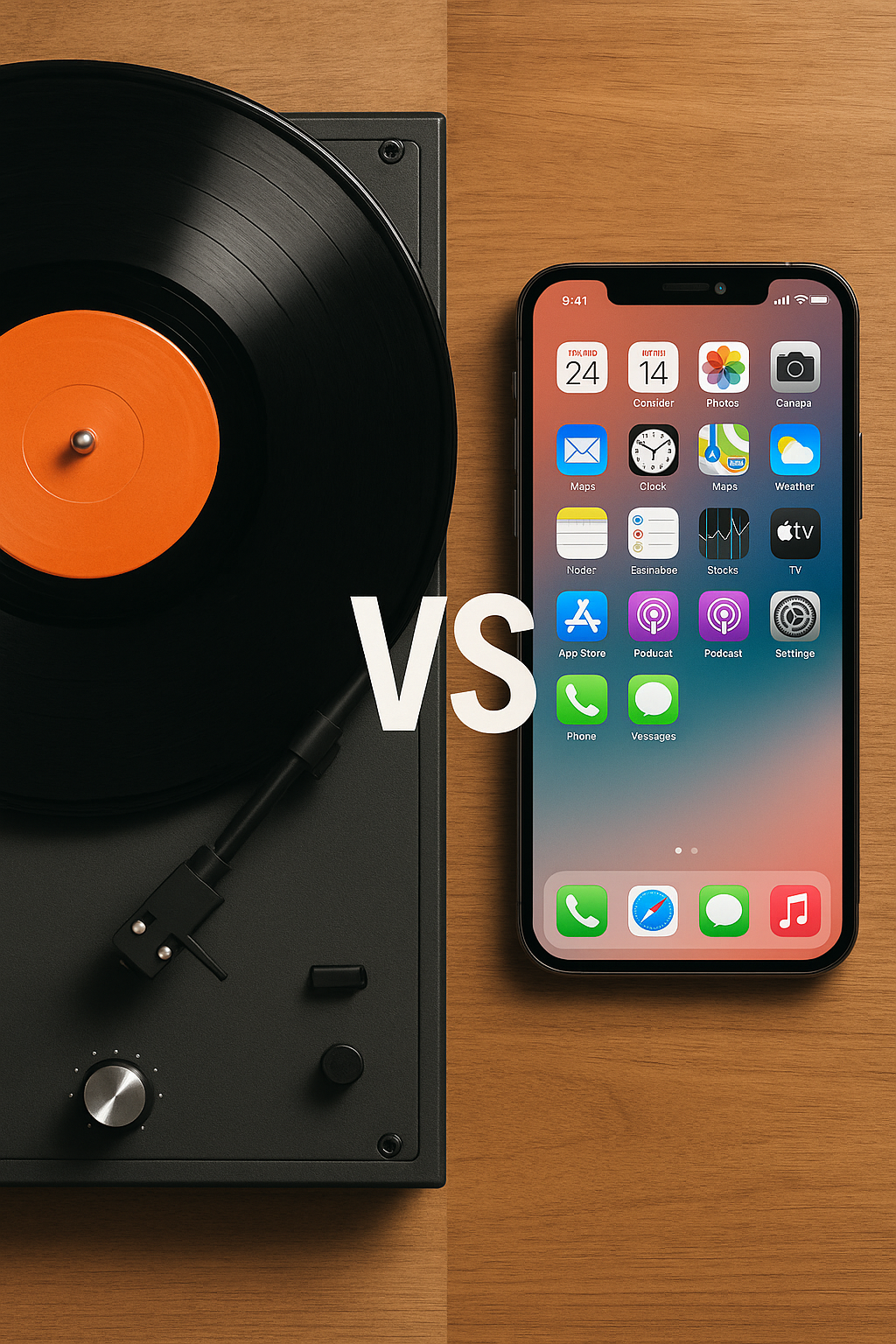
The change from analog to digital started when engineers saw that using simple “on” and “off” signals—just 0s and 1s—could dodge many problems of smooth analog waves, like hiss and signal loss. Early tools such as pulse‑code phone lines and the tiny transistor made it possible to turn sounds, pictures, and other data into neat, square pulses that stayed clear over long cables and fit on smaller storage chips.
Through the 1970s‑1990s, digital computer chips got better and cheaper, bringing us personal computers, compact discs, and early digital TV. Companies built gear to swap between old analog signals and the new digital form, plus new setups like fiber‑optic cables and packet‑switched networks that could send clean data quickly. For years, mixed systems were common—old tape decks or broadcast gear on the front end, with digital recorders or routers behind them—so people could switch step by step without throwing everything away.
By the early 2000s, mass production made digital parts so small, low‑cost and efficient that nearly every industry switched over. Digital data can be copied perfectly, sent worldwide in seconds, and edited with powerful software, which led to things like streaming video, cloud apps, and smart‑phones packed with sensors. Analog gear still shines in a few spots including vinyl records and some radio stages but digital’s accuracy, easy sharing, and “do‑anything‑with‑software” flexibility have made it the normal way we create, save, and share information today. The digital world has become an easier world.
I used ChaptGPT to generate this post. I used these prompts list below:
“create a three paragraph summary of the process from moving to analog to digital technology”
“make this summary have less complex words and phrases”